Author Dean KoontzGwyneth and Addison, the protagonists of Dean Koontz’s novel Innocence, live in hiding in a nondescript city, the inhabitants of which want nothing more than to be rid of the protagonists when they catch a mere glimpse of them. While Gwyneth and Addison try to evade and survive the aggression of their neighbors, they also endeavor to find the cause for this strange behavior. Along their journey, Gwyneth and Addison reveal what it means to have human innocence.
Dean Koontz lived in Philadelphia from his childhood to the beginnings of his professional life, during which time he taught underprivileged youths in the Appalachian Poverty Program. His experiences with the Appalachian Poverty Program influenced Dean to the point where the themes of his novels deal with aspects of humanity like innocence.
Addison and Gwyneth know that to avoid the violent range of emotions of the other denizens of the city is paramount, but “having escaped one fire, [Gwyneth and Addison] expected another.” Koontz implies something here about innocence, an idea that the innocent are aware of violence and conflict. The innocent are not naïve, but wise about the workings of the world. This metaphor of fire is extended in the opening paragraph of the novel, where Addison still communicates directly to the reader about his attitude towards the events that unfold around him:
“I didn’t view with fright the flames to come. Fire was but light and heat. Throughout our lives, each of us needs warmth and seeks light. I couldn’t dread what I needed and sought. For me, being set afire was merely the expectation of an inevitable conclusion. This fair world, compounded of uncountable beauties and enchantments and graves, inspired in me only one abiding fear, which was that I might live in it too long.”
Innocence and wisdom accept the undeniable fate of the living world: death. Only the naïve believe that death can be overcome, while the innocent try to make the most of their time in this world.
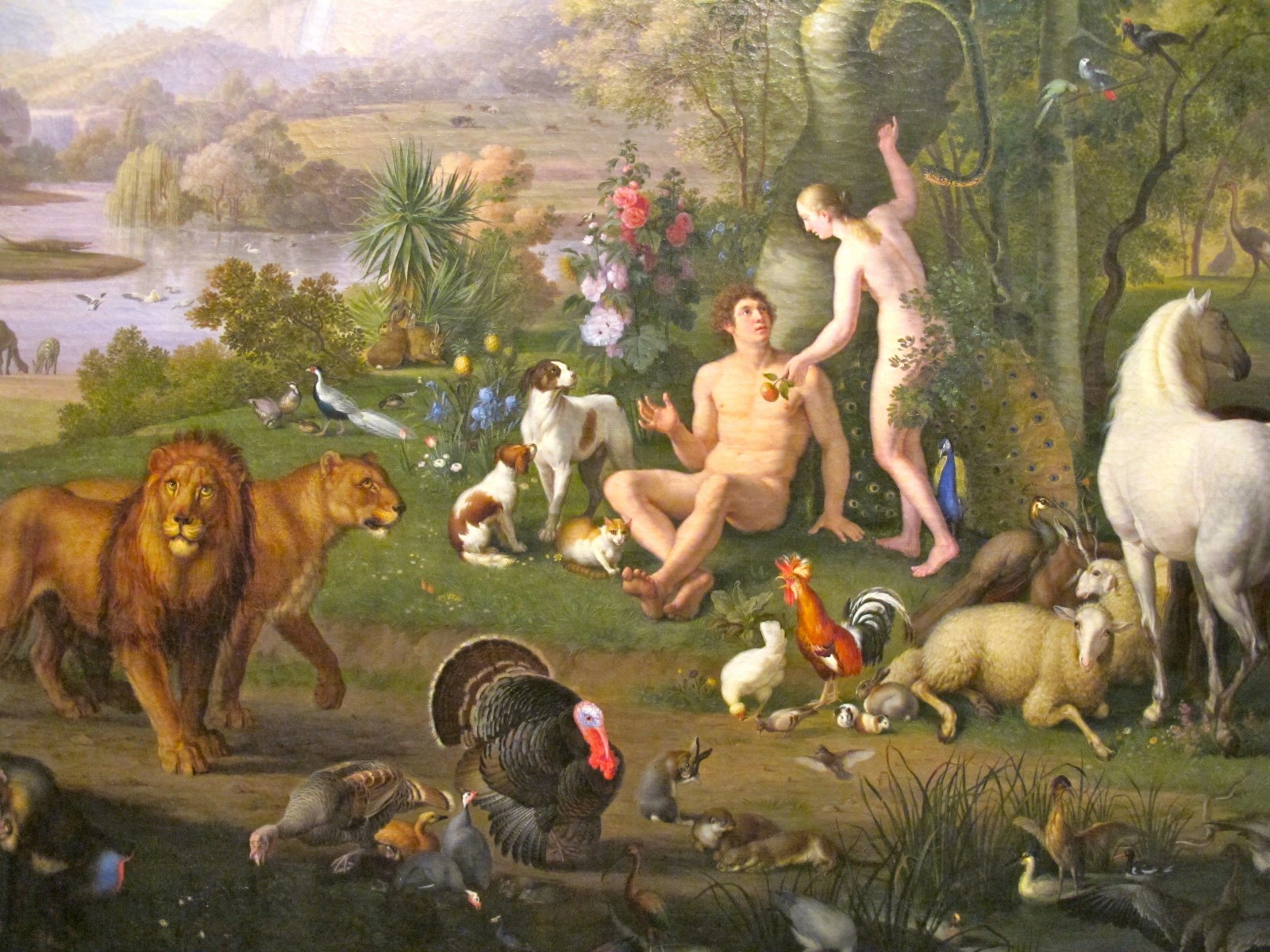
Cover design by Virginia NoreyThrough the climactic rise and fall of the novel’s plot, almost the entire human race perishes, save Addison, Gwyneth, and a few others like them. These innocent people survive the violence and death to enter into a new era of peace, one in which there is not only “no killing now of man by man or even beast by beast, but there seems to be no death except of grasses and flowers and other plants, until the spring revitalizes.” Through the narration, Dean harkens his protagonists back to an idyllic Garden of Eden environment, not one where they can forget about death, however, for if “death should be forgotten, that might not be as good a thing as it first seems to be. We must remember death and the temptation of power that it represents. We must remember that by claiming the power of death and using it to control others, we lost a world and in fact more than a world.” Death, then, signifies to the innocent that life is precious and not as powerful as it may appear. The innocent embody peace in their way of life.
At the last, Dean Koontz tells us the final criterion for having human innocence. Death accompanies life; that much is clear from the amount life and death are mentioned together throughout the novel. The innocent know death as the endpoint to life, and they accept it. Dean argues that the innocent know this as well:
“[But] with one exception, all things pass from this world and time erases not just memories but entire civilizations, reducing everyone and every monument to dust. The only thing that survives is love, for it is an energy as enduring as light, which travels outward from its source towards the ever-expanding boundaries of the universe, the very energy of which all things were conceived and with which all things will be sustained in a world beyond this world of time and dust and forgetting.”
Dean states that above all, the innocent believe in love as a driving force to life as powerful as light. Love will exist beyond one’s individual death, beyond the death of an entire conscious race, and beyond the reorganization of the cosmos. It does not seem so naïve an idea to have wisdom, peace, and love, Dean Koontz’s idea of human innocence.
“Adam and Eve in the Garden of Eden” by Wenzel PeterWorks Cited:
Koontz, Dean. Innocence. New York, New York: Bantam Books, 2014. Print.
Koontz, Gerda. About Dean. n.d. Web. 6 September 2015.
Dean Koontz. 2012. Photograph. 6 September 2015.
Norey, Virginia. Innocence. n.d. Web. 6 September 2015.
Wenzel, Peter. Adam and Eve in the Garden of Eden. Oil on Canvas. Vatican City, Vatican City. Web. 7 September 2015.
On my Honor, I have neither given nor received unauthorized information regarding this work, I have followed and will continue to observe all regulations regarding it, and I am unaware of any violation of the Honor Code by others. -Nicholas L. Johnson